
Deep Dive into Celestia Blockchain: Unraveling Its Architecture and Features
Discover Celestia Blockchain's innovative modular architecture and features that drive scalability and efficiency in decentralized applications.
In this article
Celestia blockchain is gaining attention for its modular approach, designed to enhance scalability and efficiency. This deep dive into Celestia blockchain aims to explain its core components, including modular architecture, data availability layers, and its role in layer 2 solutions like Arbitrum, Optimism, and zkSync.
Modular Architecture: The Backbone of Celestia
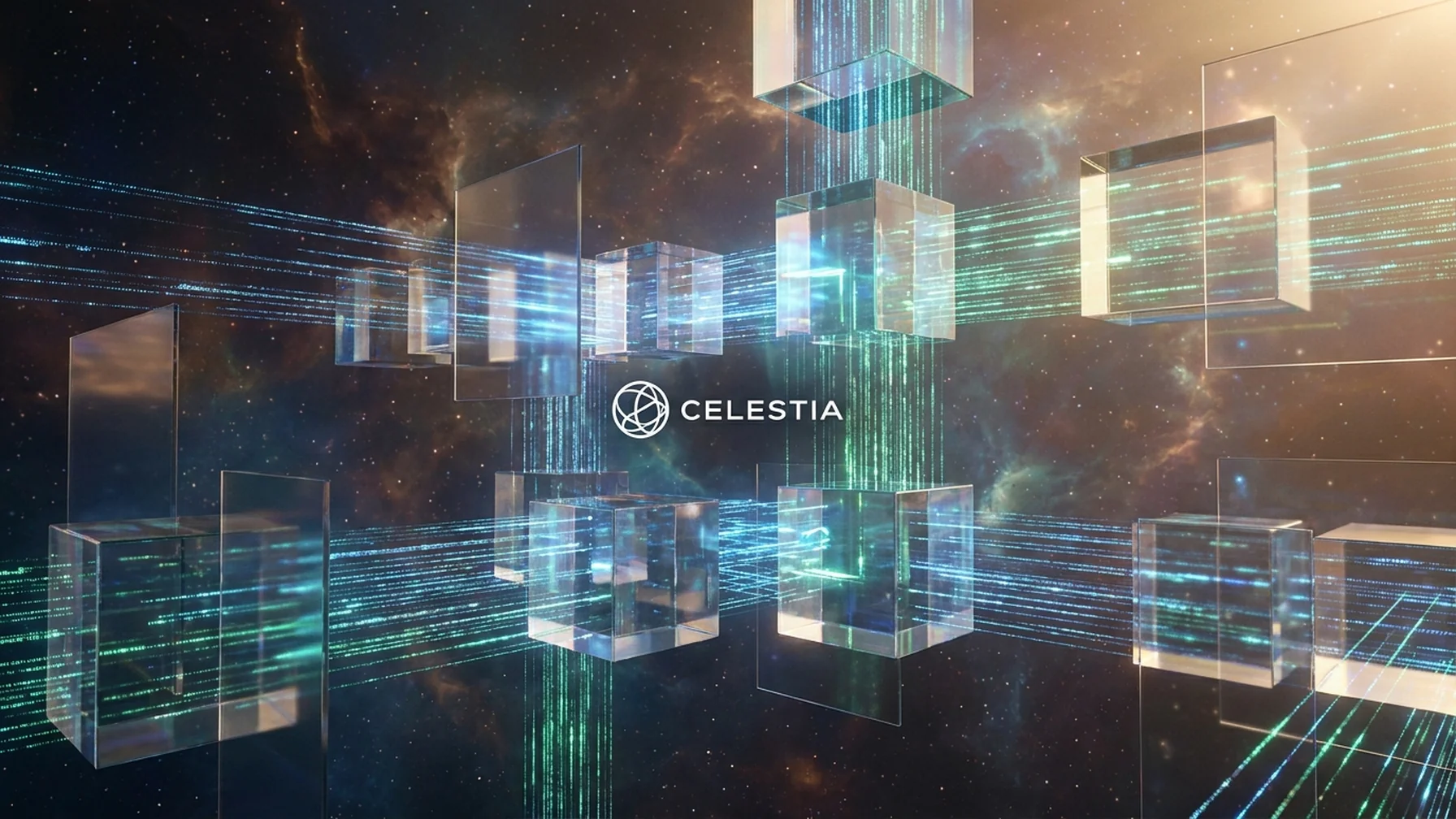
Celestia's modular architecture separates consensus and data availability from execution. This design allows developers to focus on building decentralized applications without managing consensus mechanisms. By decoupling these elements, Celestia enhances scalability and flexibility.
Key Features of Celestia's Architecture
Here's a look at some of the standout features that make Celestia unique:
- Data Availability Layer: Ensures transaction data is accessible and verifiable, increasing security.
- Light Clients: Supports lightweight nodes that verify blocks without full blockchain data.
- Interoperability: Facilitates interaction between multiple blockchains, enhancing connectivity.
These features collectively contribute to a more scalable and efficient blockchain ecosystem.
Layer 2 Solutions: Arbitrum and Optimism
Layer 2 solutions like Arbitrum and Optimism use optimistic rollups to reduce congestion on the Ethereum network. They process transactions off-chain, offering unique attributes tailored to different user needs.
Comparison of Arbitrum and Optimism
To better understand their differences, consider this comparison:
| Feature | Arbitrum | Optimism |
|---|---|---|
| Compatibility | Broad compatibility with Ethereum smart contracts | High compatibility with Ethereum applications |
| Ease of Use | Moderate | Emphasizes ease of use |
| Transaction Fees | Competitive fees | Low fees |
Both solutions aim to improve the Ethereum experience, but their features cater to different priorities like ease of use versus broad compatibility.
Exploring ZK Rollups and Optimistic Rollups
ZK rollups and optimistic rollups are essential for enhancing Ethereum's transaction throughput. ZK rollups leverage zero-knowledge proofs for off-chain transaction validation, ensuring security and efficiency. Optimistic rollups, on the other hand, assume transactions are valid unless proven otherwise, reducing computational demand.
Choosing Between ZK and Optimistic Rollups
The choice depends on application needs:
- ZK Rollups: Offer higher security at the cost of complexity and slower processing.
- Optimistic Rollups: Provide simplicity and speed but introduce a fraud-proof period, which may cause delays.
Developers must evaluate these factors based on their application's security and performance requirements.
zkSync, StarkNet, and Polygon zkEVM: ZK Rollup Solutions
Several projects utilize ZK rollup technology to enhance Ethereum's scalability:
- zkSync: Known for low transaction costs and instant confirmation.
- StarkNet: Offers a general-purpose platform for decentralized applications.
- Polygon zkEVM: Aims to bring ZK rollups to Ethereum Virtual Machine-compatible environments.
These projects offer diverse capabilities, providing developers with various options for building scalable applications.
Data Availability Layer and Shared Sequencer
Celestia's data availability layer is crucial for ensuring transaction data is accessible and verifiable. Separating data availability from consensus allows for faster operations. The shared sequencer orders transactions across multiple blockchains, reducing latency and improving performance.
Understanding MEV on Layer 2 and Fee Structures
Maximal extractable value (MEV) refers to profit extracted by reordering transactions. On Celestia's layer 2, MEV is managed through shared sequencers and robust fee structures, minimizing risks and ensuring fair processing.
Bridge Security and Sovereign Rollup
Celestia emphasizes security when bridging assets between layer 1 and layer 2 networks. Sovereign rollups enhance this by allowing operators to independently validate transactions, reducing reliance on the main blockchain.
L2 vs. L1: Key Comparisons
Layer 2 solutions like Celestia offer improved scalability and reduced fees over traditional layer 1 blockchains. While layer 1 provides foundational security and decentralization, layer 2 builds on this to offer enhanced performance and lower costs.
Role of EigenLayer in Celestia's Ecosystem
EigenLayer is pivotal in modular blockchain architecture, offering a flexible framework for deploying decentralized applications. It facilitates seamless data transfer and execution between different blockchain layers, enhancing Celestia's efficiency and scalability.
In conclusion, Celestia's modular blockchain approach presents a promising solution to scalability challenges. By exploring various layer 2 technologies and their interactions with Celestia, developers can leverage blockchain to build next-generation applications with enhanced speed, security, and cost-effectiveness.