Comparing Layers: L2 vs L1 in Blockchain Technology
Explore the key differences between Layer 1 and Layer 2 blockchain technologies, their unique features, and how they impact scalability and transaction costs.
In this article
In the evolving landscape of blockchain technology, understanding the distinction between Layer 1 (L1) and Layer 2 (L2) solutions is vital. Both layers play crucial roles in addressing scalability, security, and transaction costs. This article delves into the specifics of these layers, including features like ZK rollups, optimistic rollups, and various L2 solutions such as Arbitrum, Optimism, and zkSync. Let's explore the components that make each layer unique and essential to blockchain's growth.
Overview of Layer 1 (L1) Blockchains
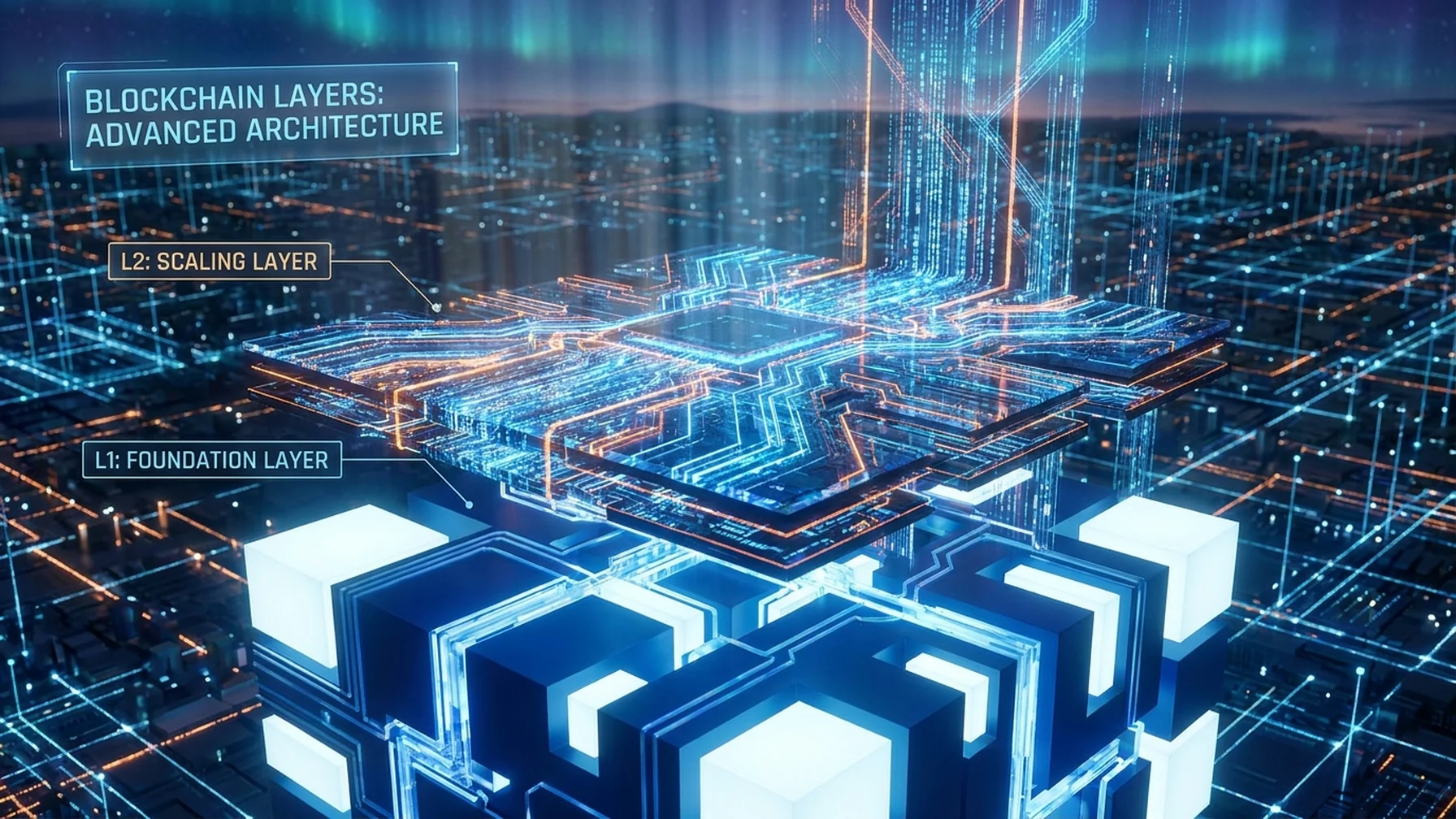
Layer 1 blockchains form the foundational layer of blockchain networks. They handle the primary operations, including maintaining the main ledger, processing transactions, and ensuring network security. Prominent examples include Bitcoin and Ethereum. However, as usage expands, L1 blockchains face challenges like high transaction fees and slower processing times, which can hinder widespread adoption.
The Role of Layer 2 (L2) Solutions
Layer 2 solutions are designed to enhance the capabilities of L1 blockchains by increasing throughput and reducing costs. Operating on top of L1, L2 solutions improve performance without compromising security. By offloading transactions from the main chain, they address L1's scalability issues.
Here’s how L2 solutions enhance blockchain efficiency:
- Offload transactions from the main blockchain to reduce congestion.
- Batch settle transactions back to the L1 blockchain to maintain security.
- Lower transaction fees by minimizing on-chain operations.
Layer 2 solutions offer significant improvements in speed and cost, making them an attractive option for developers and users seeking efficient blockchain interactions.
Key Differences Between L1 and L2
Understanding the key differences between L1 and L2 solutions is crucial for selecting the appropriate blockchain solution. Here are the primary distinctions:
- Decentralization: L1 solutions provide a high degree of decentralization, serving as the core protocol for the blockchain network.
- Scalability: L2 solutions excel in scalability, enabling faster and cheaper transactions by processing them off-chain.
- Security: L1 maintains robust security, while L2 inherits security from L1 but can introduce additional risks depending on implementation.
Choosing between L1 and L2 solutions involves weighing these factors based on specific use cases and performance requirements.
Exploring ZK Rollups
ZK rollups leverage zero-knowledge proofs to bundle multiple transactions into a single, smaller proof, which is then posted to the L1 chain. This method enhances efficiency and privacy, offering strong security guarantees and low transaction costs. ZK rollups are popular for their capability to scale blockchain networks effectively.
Understanding Optimistic Rollups
Optimistic rollups operate differently from ZK rollups by assuming transactions are valid by default, requiring proof only in case of disputes. This approach allows for faster transaction processing but necessitates a longer withdrawal period to ensure security. Optimistic rollups are appreciated for their simplicity and reduced costs.
Comparing ZK and Optimistic Rollups
When evaluating ZK rollups against optimistic rollups, it is essential to consider the trade-offs. ZK rollups offer enhanced privacy and security but are more complex to implement. Conversely, optimistic rollups offer faster transactions with lower costs but require withdrawal delays. Both solutions are valuable, depending on the specific needs of the application.
Popular L2 Solutions: Arbitrum and Optimism
Arbitrum and Optimism are notable L2 solutions utilizing optimistic rollups. Arbitrum emphasizes compatibility with Ethereum contracts, which simplifies developer migration. Optimism focuses on simplicity and low-cost transactions, aiming to make Ethereum more user-friendly and accessible.
Leading ZK Rollup Solutions: zkSync and StarkNet
zkSync and StarkNet are at the forefront of ZK rollup technology. zkSync aims to offer scalable, low-cost transactions without compromising on security. StarkNet, meanwhile, emphasizes scalability through unique STARK proofs, providing high throughput and robust security.
Table: Comparing Layer 1 and Layer 2 Solutions
The table below summarizes the key features and differences between Layer 1 and Layer 2 solutions.
| Feature | Layer 1 | Layer 2 |
|---|---|---|
| Decentralization | High | Variable |
| Scalability | Limited | High |
| Transaction Costs | Higher | Lower |
| Security | Robust | Depends on L1 |
This comparison highlights the strengths and weaknesses of each layer, assisting in determining the best fit for various blockchain applications.
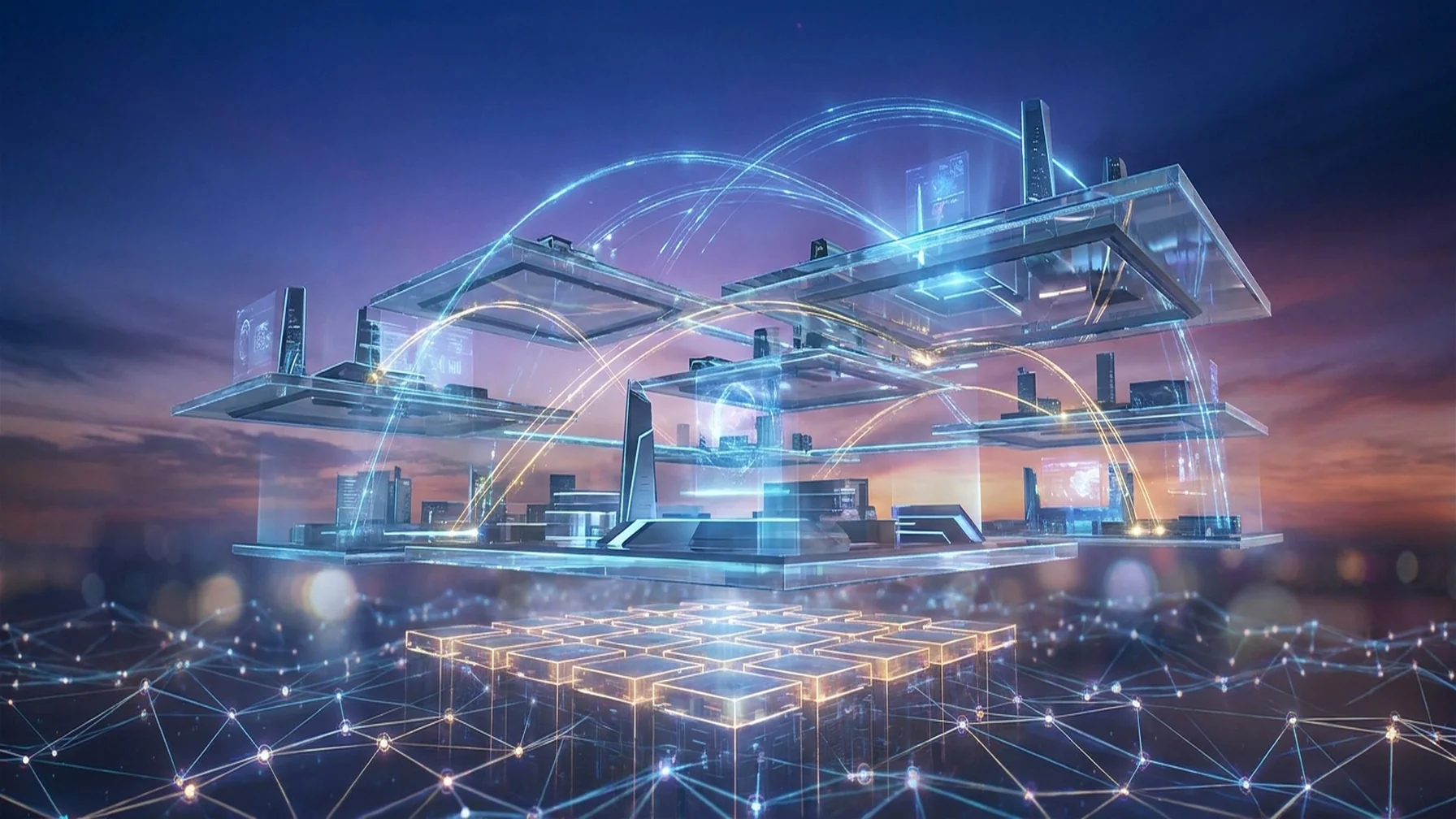
The Modular Blockchain Approach
The modular blockchain approach separates consensus, data availability, and execution layers to enhance flexibility and scalability. The Base network exemplifies this concept, enabling improved performance by focusing on data availability. This separation can help alleviate congestion on blockchains, leading to more efficient operations.
Additional L2 Solutions: Polygon zkEVM and Scroll
Polygon zkEVM integrates ZK rollup technology with Ethereum's virtual machine, offering high scalability and compatibility. Scroll focuses on optimizing data availability and execution efficiency, emerging as a promising L2 contender. These solutions continue to push the boundaries of what's possible with Ethereum.
The Importance of Data Availability Layers
The data availability layer ensures transaction data is accessible and verifiable, playing a critical role in blockchain security. A shared sequencer coordinates transactions across multiple chains, enhancing efficiency and reducing latency. Together, these components improve the performance of L2 solutions.
Bridge Security and Sovereign Rollups
Bridge security is crucial when transferring assets between L1 and L2. Sovereign rollups enhance security by allowing L2s to operate independently, reducing reliance on L1 for validation. This approach can improve safety and decentralization within the blockchain ecosystem.
The Future of L2 and L1: EigenLayer's Role
EigenLayer is an innovative protocol focusing on shared security and scalability across different blockchains. As the crypto landscape evolves, the debate between L2 and L1 will continue. Each layer offers unique advantages, and their combination is key to unlocking the full potential of blockchain technology. Understanding these layers and their interactions will be crucial for future developments in the crypto space.